What if everything you think you know about camping with your partner is wrong?
Discover the dual-mode shelter breakthrough that's changing how couples experience the backcountry

The Hidden Problem No One Talks About
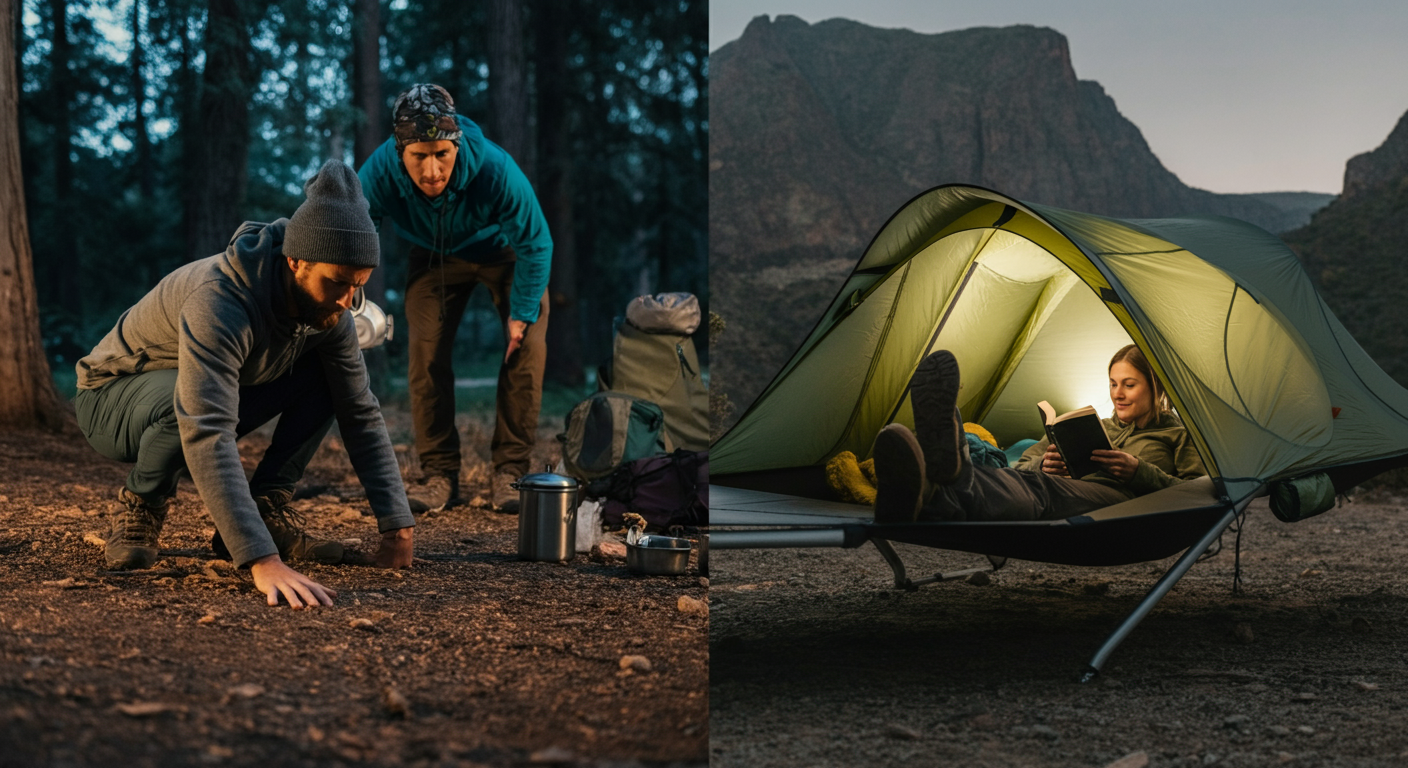
When was the last time you went camping and didn't spend the first hour doing this:
Walk 20 yards. Check the ground. Too rocky. Walk 20 more. Sloped at a weird angle. Another 20. Roots everywhere. Keep walking. That spot looks flat but... wait, is that a mud patch?
This is what we've all accepted as 'just part of camping.' But here's the question nobody asks: Why? Why do we accept that finding flat, dry, rock-free ground is a mandatory camping skill?
There's a completely different approach that eliminates these problems entirely. Not by solving them—by making them irrelevant.
What Most Couples Get Wrong About Hammock Camping
"Oh, you mean like those double hammocks from ENO? We tried that. You're basically sleeping on top of each other."
I hear this constantly. And you're right—traditional double hammocks are uncomfortable for sleeping. They create a 'taco effect' where both people roll into the middle.
But here's what most people don't realize: That's not what I'm talking about.
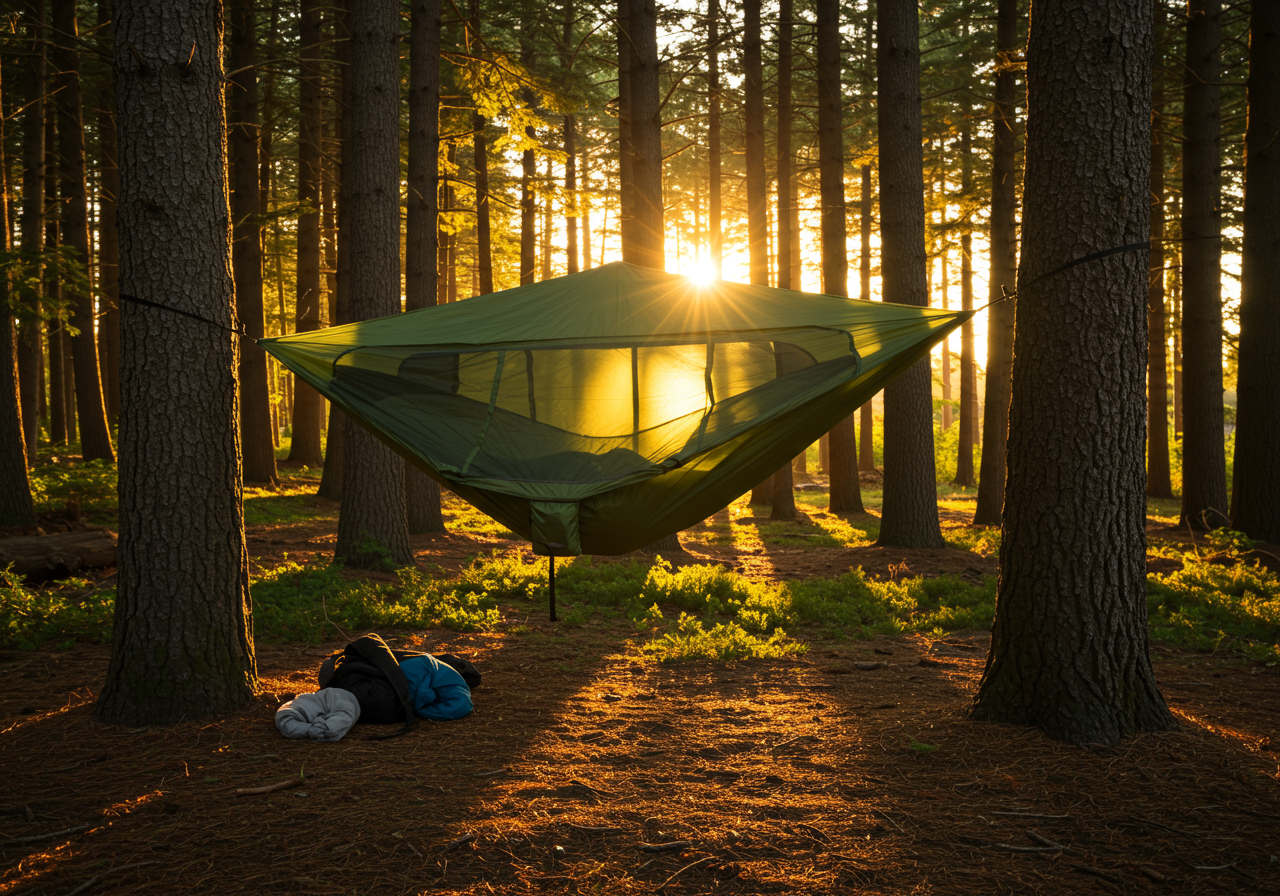
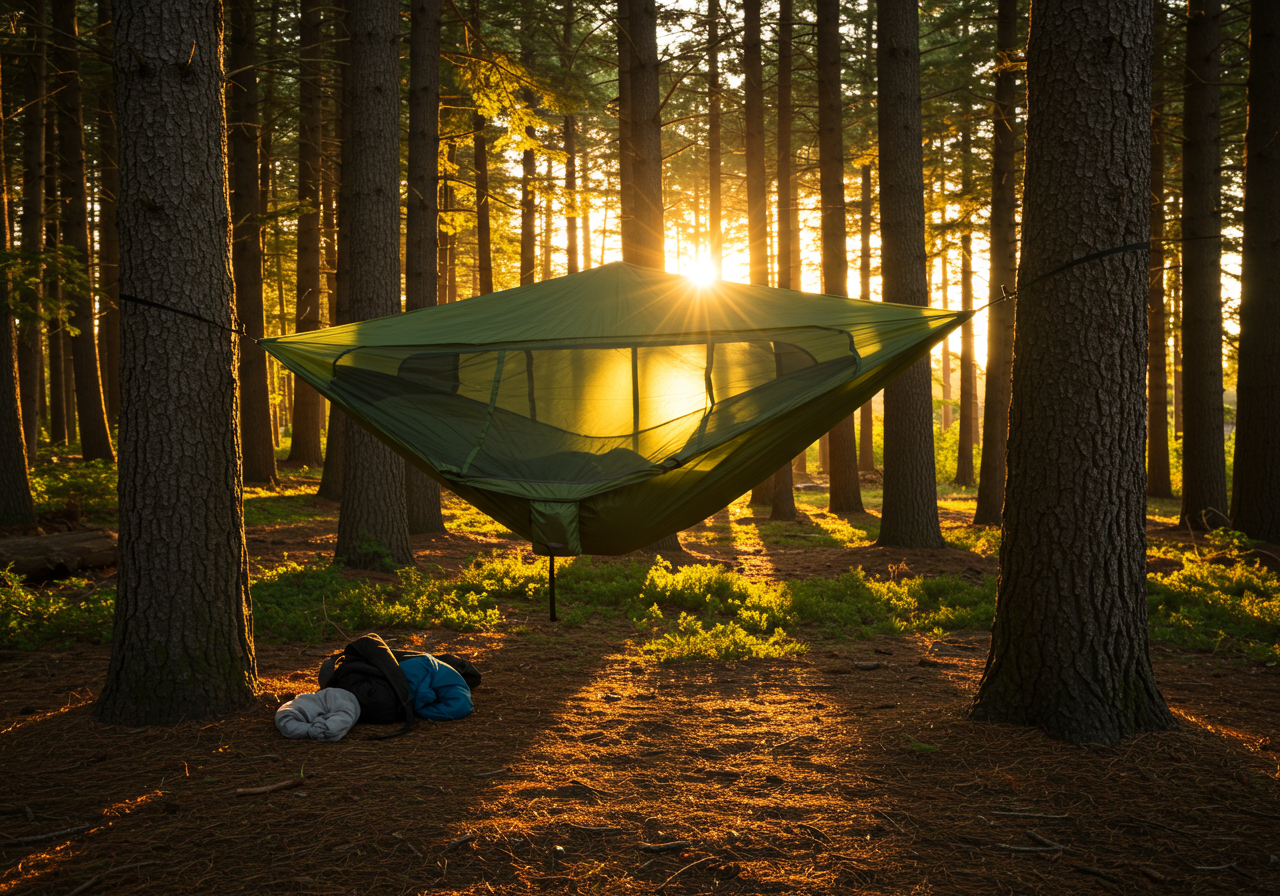
What if I told you there's a shelter system that gives you both options: Camp elevated between trees when available—17 inches off the ground with a 12-foot by 9-foot protected space. OR camp on the ground when trees aren't available—literally convert the same shelter into a ground tent in seconds.
One system. Both modes. Your choice based on the terrain. Sound impossible? It's not. And it's been hiding in plain sight while everyone debates 'tent vs hammock' as if they're mutually exclusive.
The Breakthrough Most People Miss
For years, hammock camping had a fatal flaw—you were stuck if there weren't suitable trees. Doesn't matter how good your setup is if you can't use it above treeline, in deserts, or on rocky outcrops. Traditional hammock campers carried backup tents for these scenarios. Or they just avoided certain campsites entirely.
Then someone asked a different question: 'What if the hammock shelter could become the ground tent?'
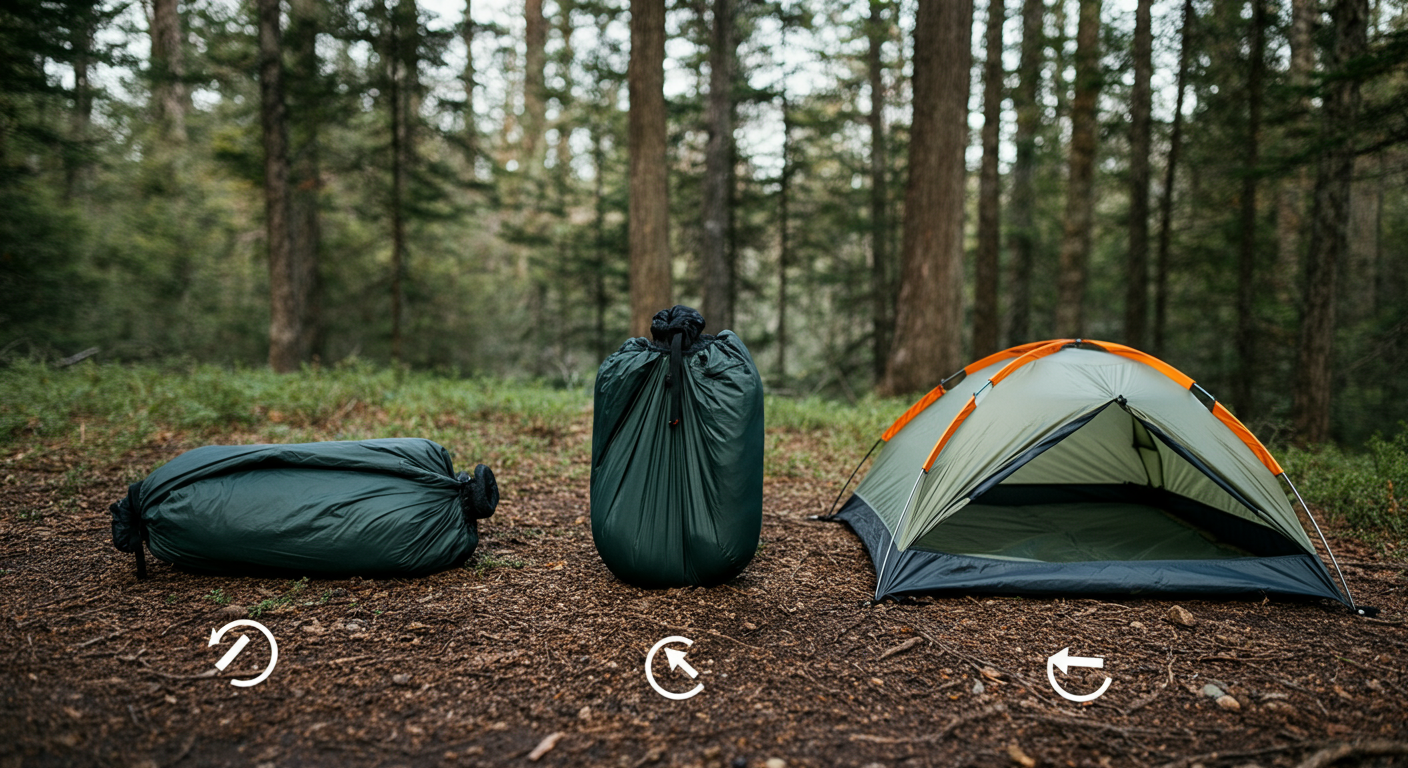
The Nubé MK IV Hammock Shelter is that breakthrough. The gear stash—the waterproof storage area underneath the aerial hammock—is actually a convertible floor. When you're camping between trees, it stores your gear off the wet ground. When you need ground mode, it unfolds to create a full tent floor.
This is why it changes the game: You're no longer choosing between hammock camping OR tent camping. You're not compromising. You're not carrying two shelter systems. You have both. In one package. Under 4 pounds total.
What Actually Happens When You Camp This Way
Scenario 1: Forest Campsite with Perfect Trees
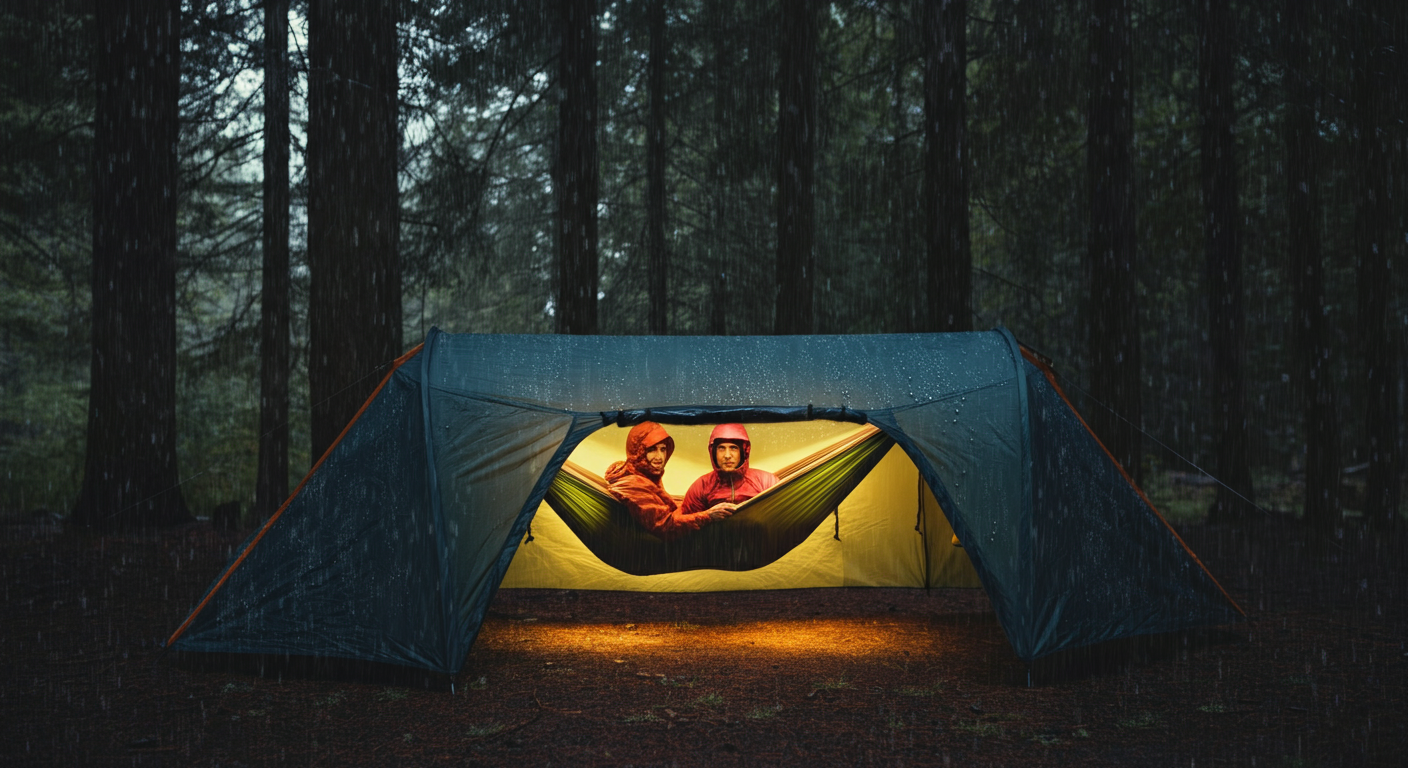
You arrive at your campsite. Two trees about 12-15 feet apart? Perfect. Five minutes later, you're elevated 17 inches off the ground. The rain fly is stretched overhead with dual waterproof ratings exceeding industry standards (1600mm + 2000mm). The 15D no-see-um mesh surrounds you—mosquitoes can't touch you, but air flows freely. Rain starts. Water hits the fly, runs off the sides, and drips to the ground beneath you. You're dry. Elevated. Comfortable. Your friend in the tent next to you? They're watching puddles form under their groundsheet.
Peace of mind during weather
Scenario 2: Above Treeline Ridge
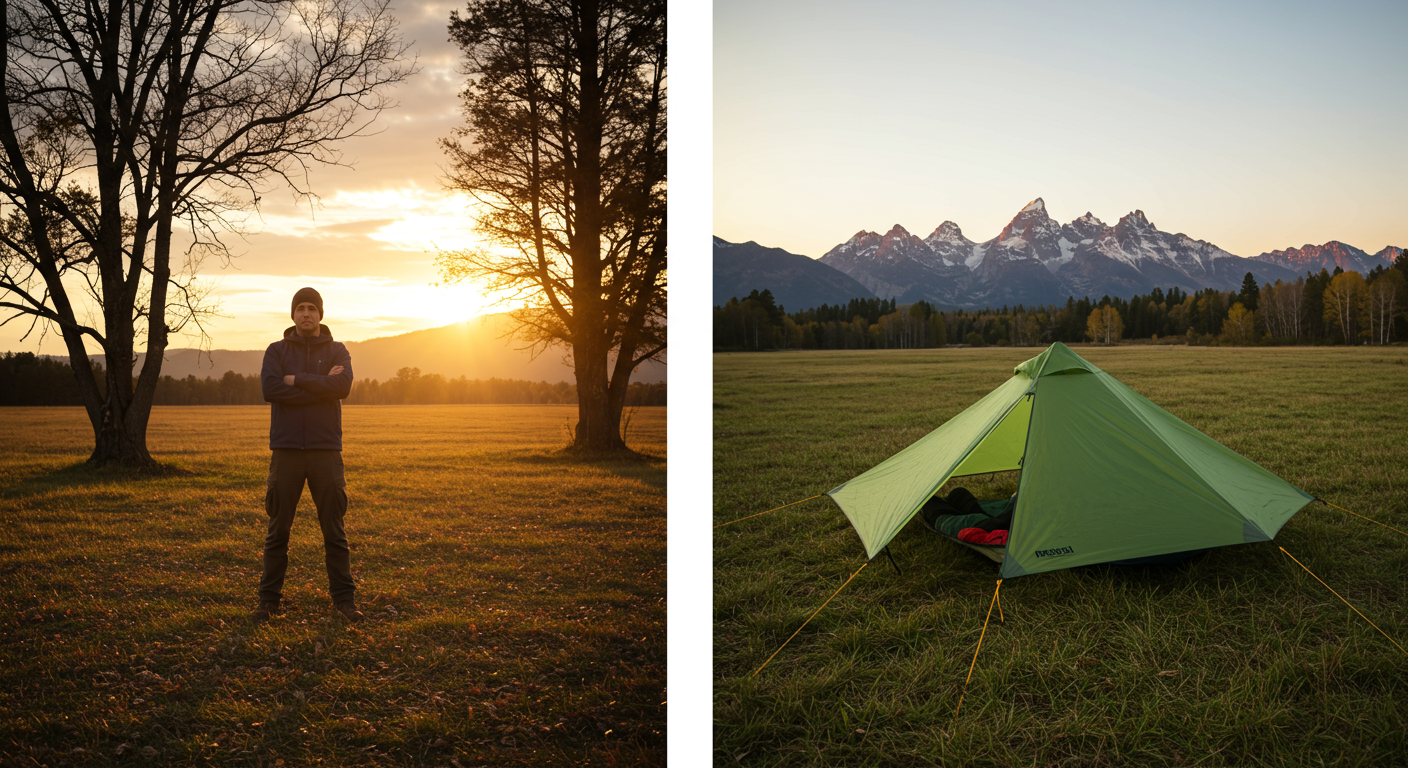
Next night, you hike to a spectacular ridge with panoramic views. Zero trees. Rocky ground. No problem. The gear stash converts to a tent floor. The rain fly pitches with the included stakes. Same 12x9 protected space. Same weather protection. Same bug defense. Now you're ground camping—but you're not searching for flat ground because you're using the same spots tent campers avoid. That slightly rocky area with the incredible view? You can camp there. The gear stash floor handles it.
Access to amazing campsites others can't use

Scenario 3: Festival Camping
Music festival. Crowds everywhere. Mud from yesterday's rain. The tent camping area looks like a disaster zone. You find two trees. Set up in aerial mode. Seventeen inches above the chaos. Everyone else is sleeping in ground tents surrounded by mud, spilled drinks, and foot traffic. You're elevated. Your shelter stays clean. Your gear stays organized. The Instagram shots of you suspended above the festival campground? Everyone asks what you're using.
Social proof and comfort advantage
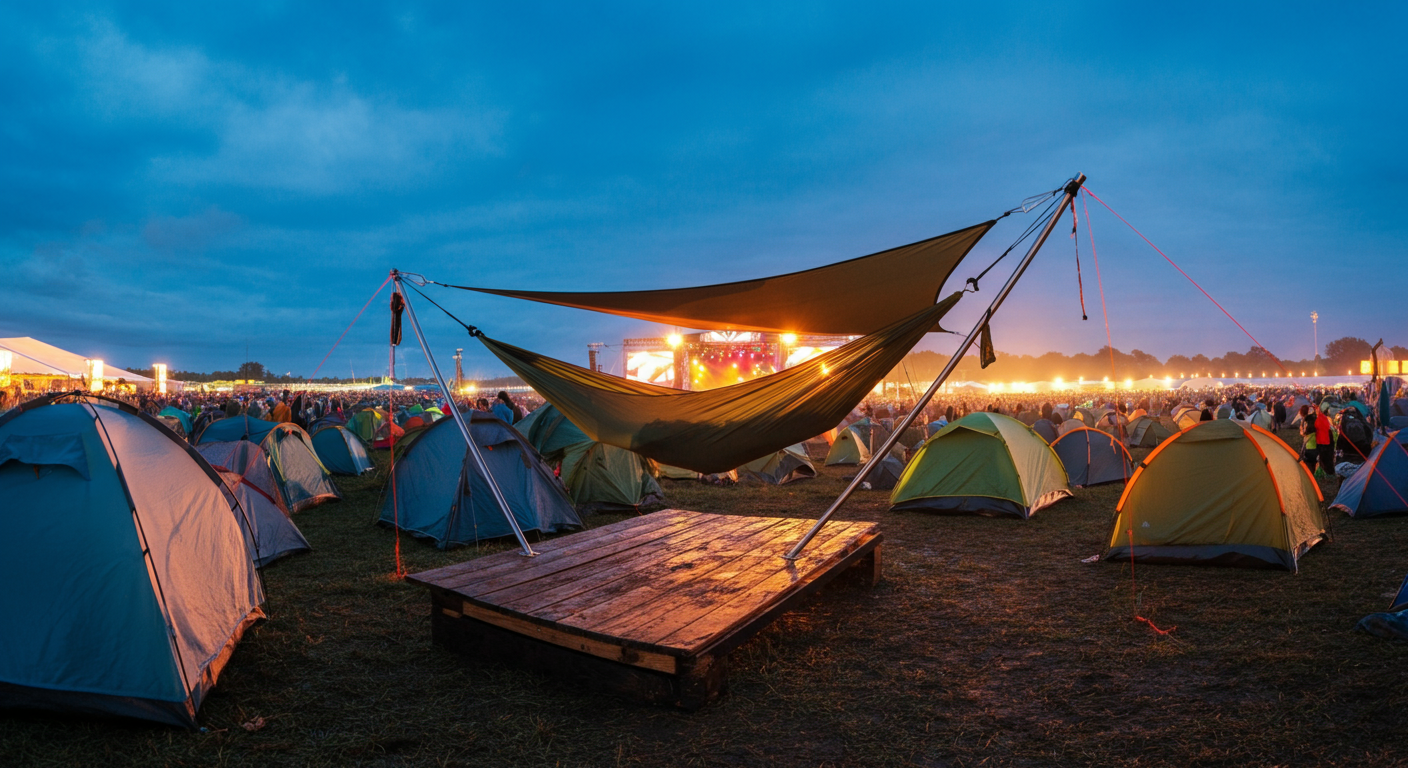
This is the versatility traditional camping simply can't match.
The Weight Revelation
Let me show you something most couples don't realize:
Traditional Setup
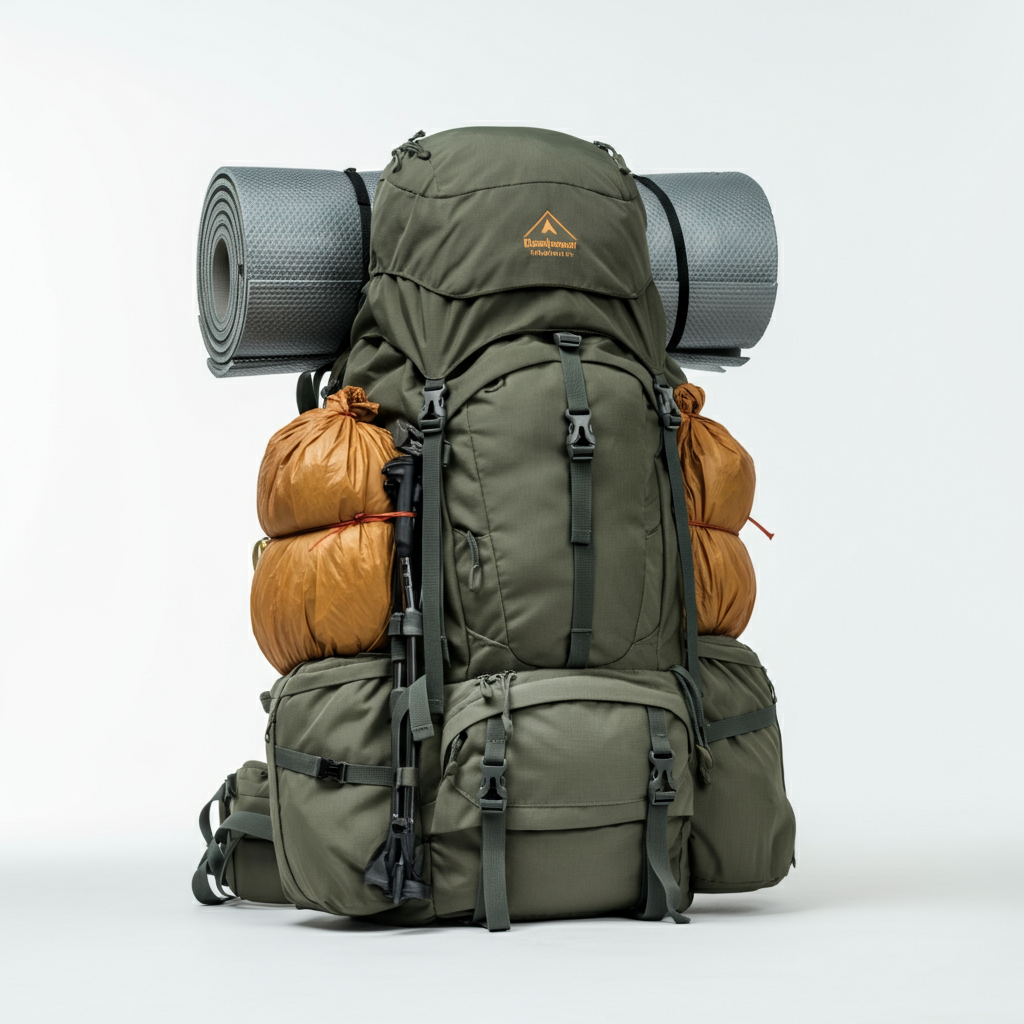
- Tent: 4-6 lbs
- Pads: 2-4 lbs
- Extras: 1 lb
- Total: 7-11 lbs
Nubé System
- Shelter: 2 lb 13 oz
- Hammock: 15.3 oz
- Suspension: 6.5-10.8 oz
- Total: Under 4 lbs
4-7 pound weight savings
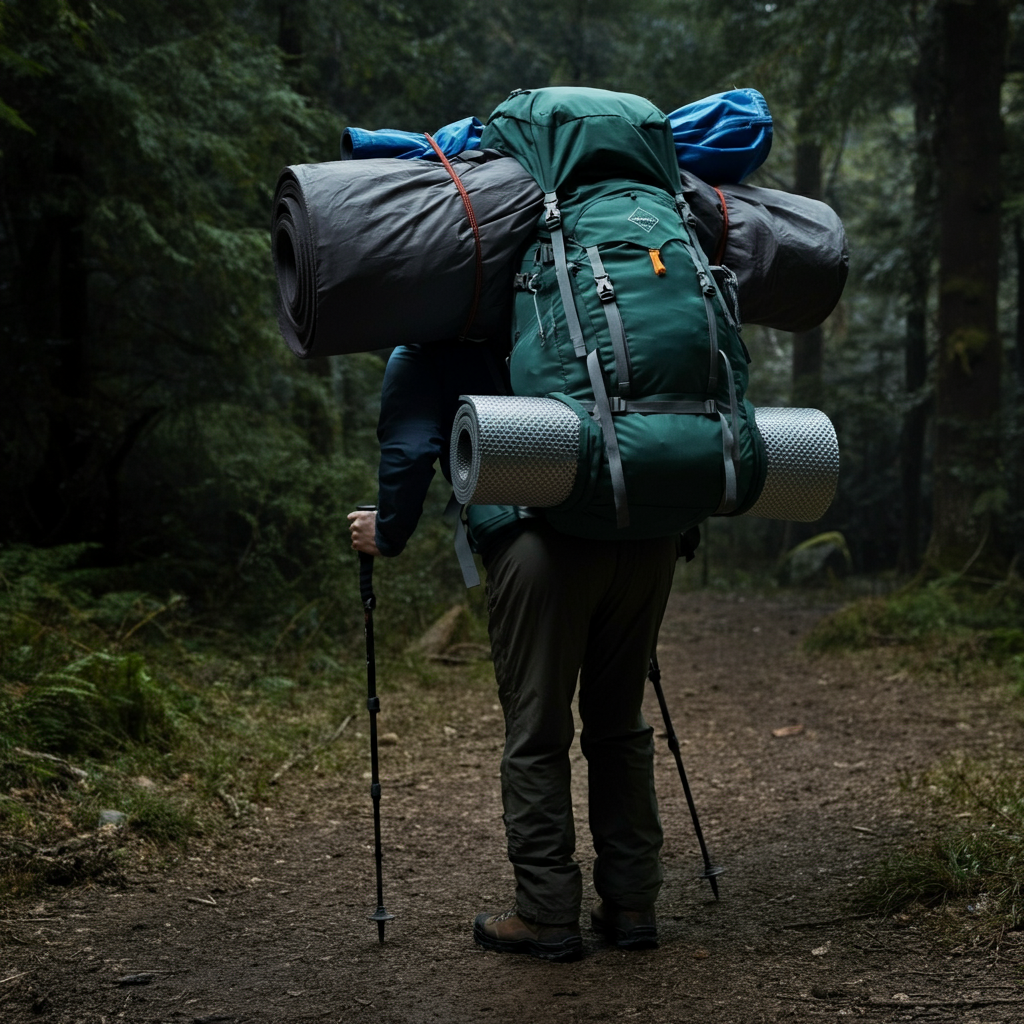
Over a multi-day hike, those pounds compound exponentially. Your knees feel it. Your shoulders feel it. Your energy levels at the end of the day feel it.
But here's what surprised me even more: setup time. Traditional tent: 15-20 minutes. Nubé knotless system: 5 minutes or less. That's 30-40 minutes per day you're getting back. Over a week-long trip? Hours of your life not spent struggling with tent poles.
The Materials Story Nobody Tells
Here's something most gear reviewers gloss over: material quality determines whether your shelter lasts one season or ten.
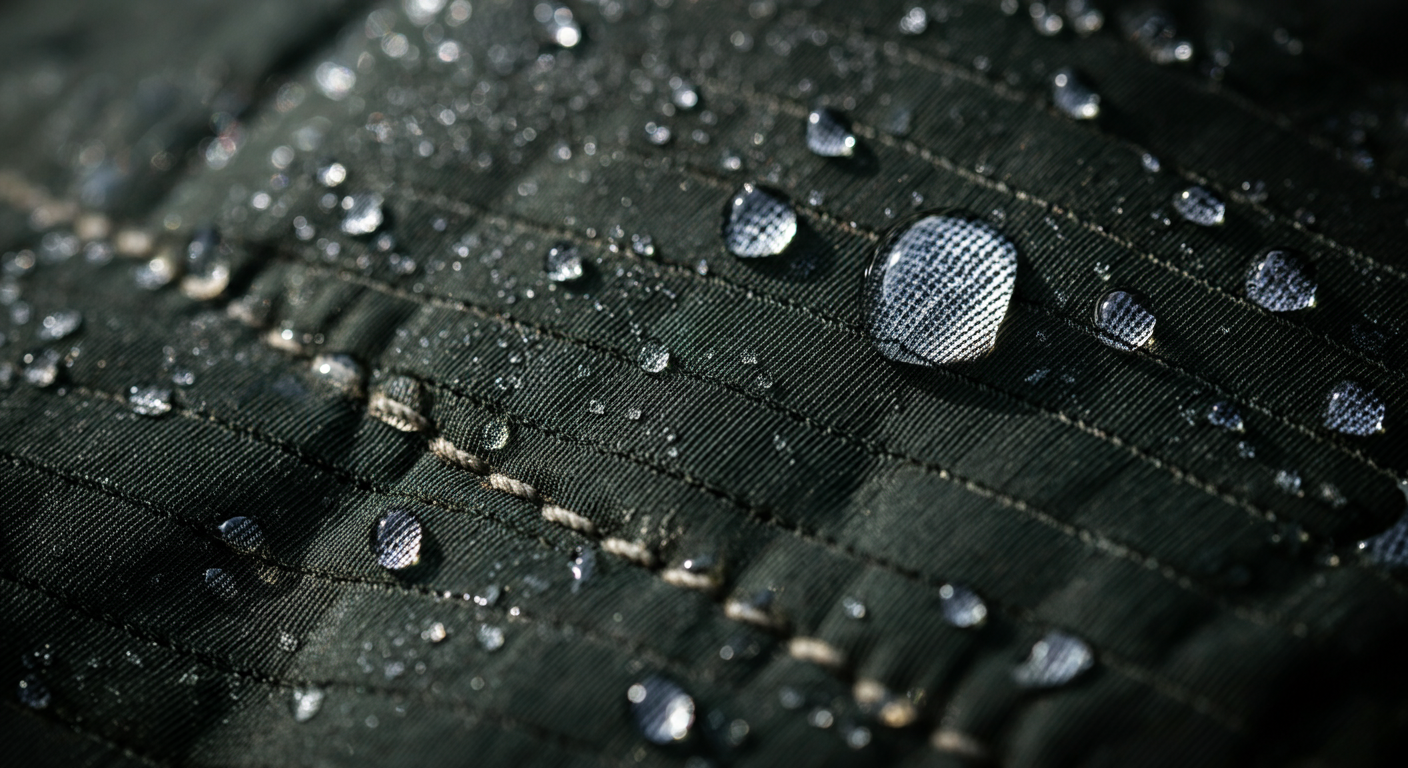
- 15D Waterproof Sil/PU 1600mm Ripstop for the rain fly
- 15D No-See-Um Mesh for insect protection
- 20D Waterproof DWR/PU 2000mm Ripstop for the floor
- 30D Teslon3 for the Pares hammock (bundled option)
This has been tested in sustained Pacific Northwest storms—the kind that turn regular tents into swimming pools. It doesn't leak.
The ripstop construction means a small tear doesn't become a catastrophic failure. The reinforced seams mean stress points don't blow out after a season. This is the difference between gear that breaks down after 10 trips and gear that becomes your go-to shelter for years.
The Question That Changes Everything
Here's what it comes down to:
What if you never had to compromise again?
- Want to camp at that rocky outcrop with the incredible view? Do it.
- Planning a trip through varied terrain—forests, ridges, open meadows? One shelter handles all of it.
- Festival this weekend, backpacking trip next month? Same gear.
- Trees available? Go aerial. No trees? Go ground.
The reason most people don't camp this way isn't because it's complicated or expensive. It's because they don't know it's possible.
The Nubé MK IV represents the 4th generation of continuous innovation. Sierra Madre didn't just throw a hammock shelter on the market—they iterated based on real customer feedback from real backcountry conditions.
- The knotless setup? Customer feedback.
- The convertible floor? Problem-solving innovation.
- The dual waterproof ratings? Field testing results.
- The material choices? Durability data from thousands of camping nights.
This is what happens when a brand prioritizes solving actual problems over maximizing profit margins.
What You're Actually Choosing Between
Let me be clear about your options:
Option 1: Keep Doing What You're Doing
- Finding flat ground is mandatory before you can relax
- Heavy tent systems eat into your pack weight budget
- Terrain limits where you can camp
- Setup time cuts into your adventure hours
- Weather vulnerabilities ruin trips
- You need separate gear for different scenarios
Option 2: Switch to the Evolved Approach
- Terrain becomes irrelevant—aerial or ground, your choice
- Your complete shelter system weighs under 4 lbs
- Setup takes 5 minutes without complicated knots
- Weather protection exceeds industry standards
- One system handles forests, ridges, festivals, backpacking trips
- You camp places traditional setups can't access
The couples choosing Option 2 aren't switching because they love carrying more gear or dealing with complexity. They're switching because dual-mode capability, ultralight design, and weather-proof engineering solve problems that traditional camping can't fix.
The Part Nobody Mentions
Here's something that surprised me:
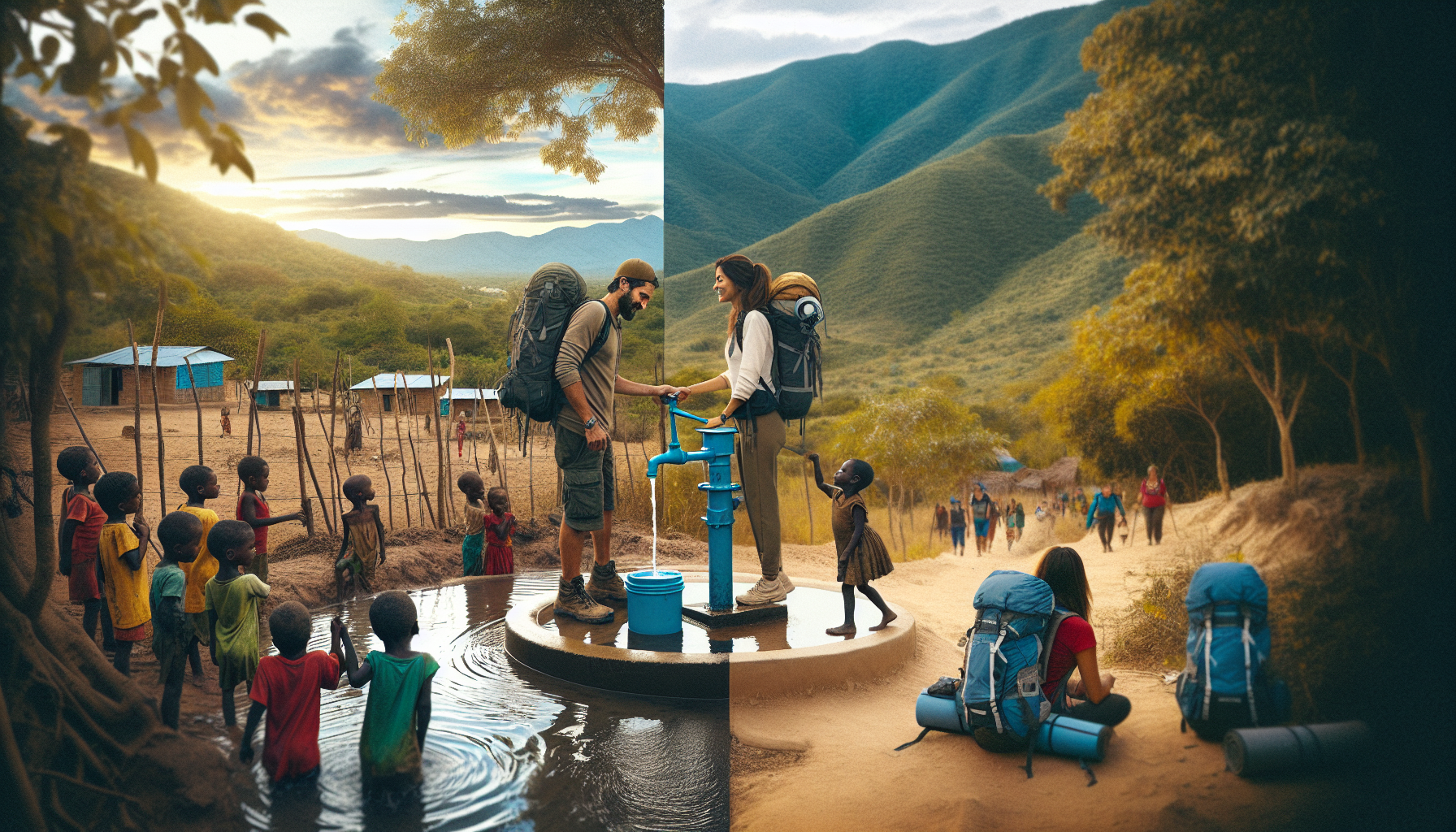
Every Nubé purchase provides 1 year of clean water access to communities in need through Sierra Madre's humanitarian partnerships.
Your gear investment creates real-world impact. Adventure with purpose. This isn't marketing fluff—it's a core part of the company mission. They've partnered with organizations providing clean water infrastructure in regions without reliable access.
You're not just buying camping gear. You're funding clean water access while upgrading your outdoor capability.
Your Decision Point
Adventure season isn't waiting. That weekend backpacking trip you've been planning. The festival coming up. The thru-hike you've been researching. The romantic outdoor escape you keep postponing.
Every campsite with rocky ground is an opportunity. Every forest location with perfect trees is accessible. Every ridge line with panoramic views is available.
Complete System Includes:
- Complete shelter with integrated rain fly and bug protection
- 12 stakes for ground mode
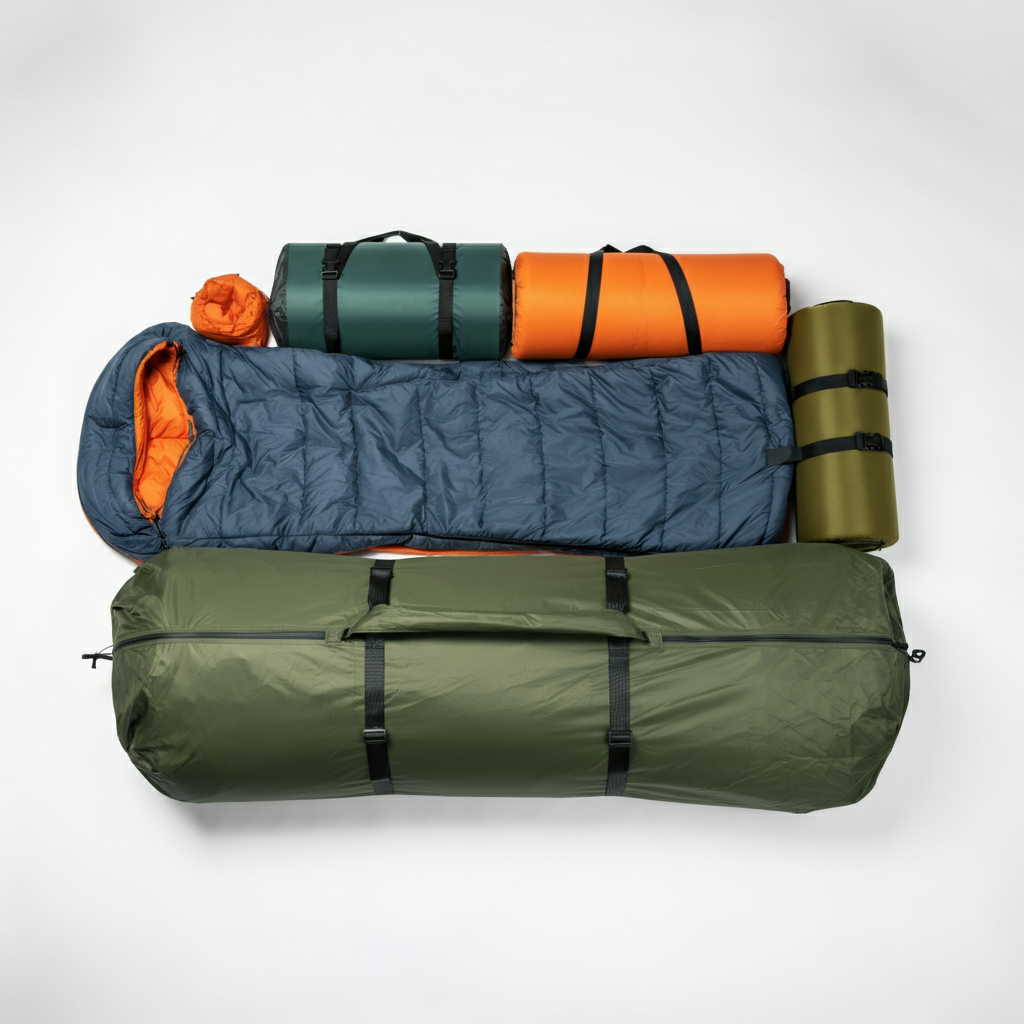
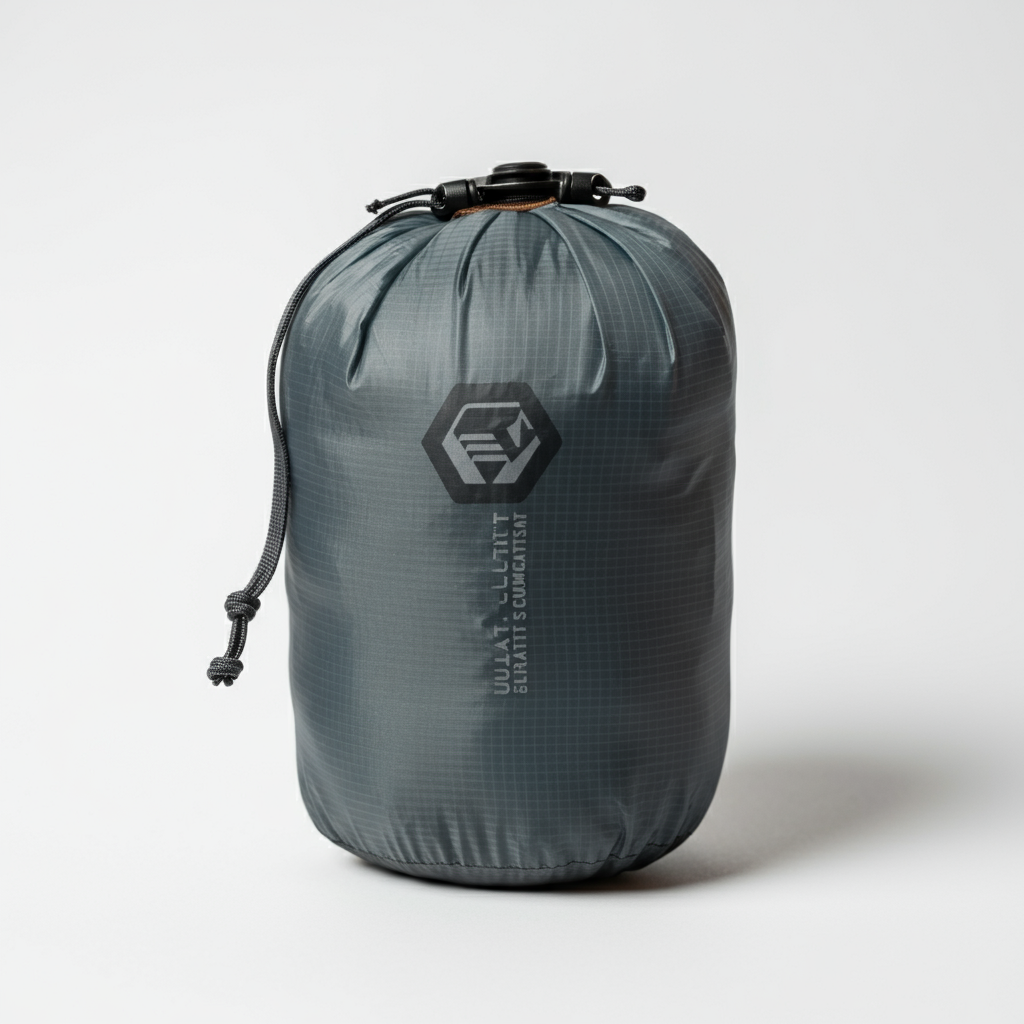
- Double-sided stuff sack for organized packing
- Choice of EZSlings or Talon suspension system
- Option to bundle with Pares hammock for complete aerial setup
Each purchase provides 1 year of clean water access. Adventure with impact.
One Last Thing
The growing community of couples discovering dual-mode camping didn't switch because it was trendy or because hammock camping is 'cool.'
They switched because freedom from terrain limitations changes what's possible.
- That campsite everyone avoids because it's too rocky? You can use it.
- That ridgeline above treeline with zero flat ground? Accessible.
- That festival where ground camping is a muddy disaster? You're elevated above it.
The question isn't whether dual-mode camping works. The question is: How many more trips are you willing to compromise before you try something different?